
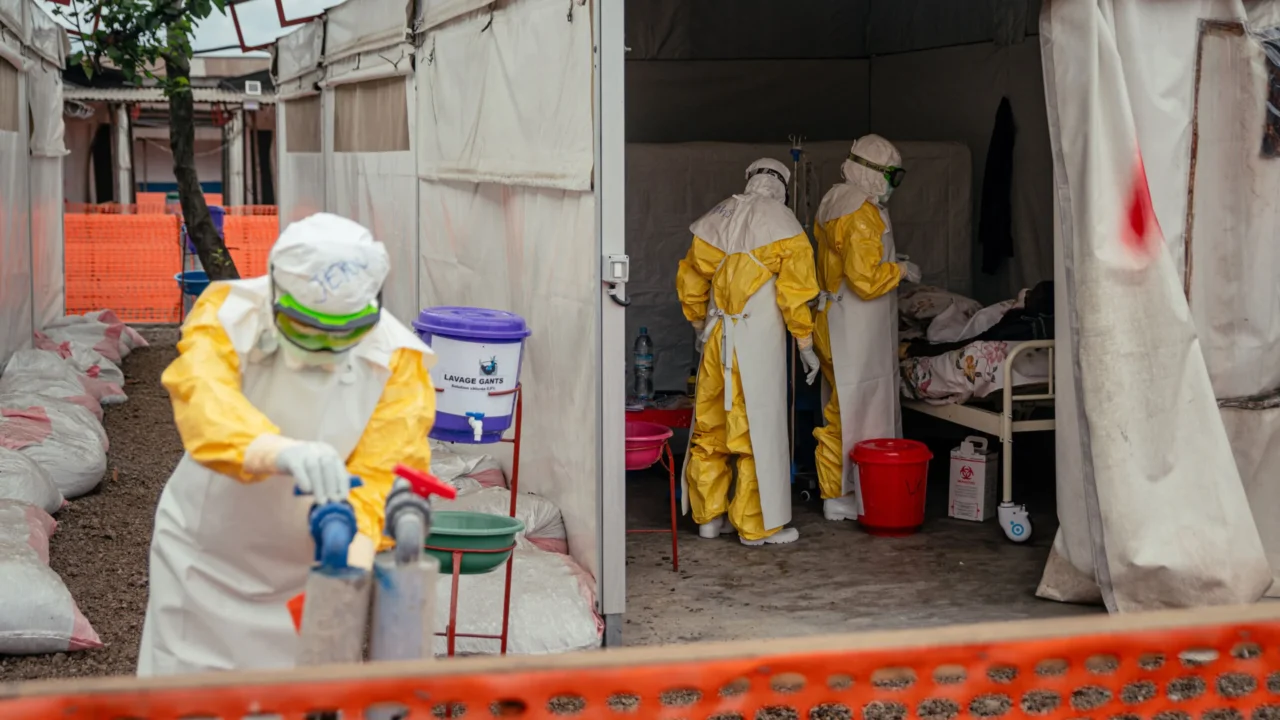
The Democratic Republic of Congo continues to battle a severe Ebola outbreak caused by the Bundibugyo strain, the second-deadliest on record, according to the U.S. Centers for Disease Control and Prevention (CDC). Despite diminished global media attention, public health organizations remain actively engaged in providing medical care, surveillance, and community support to curb the spread of the virus.
What Happened
Since the World Health Organization (WHO) declared the Ebola outbreak a public health emergency on May 17, 2022, health authorities have confirmed over 5,200 Ebola cases and more than 2,500 deaths in the Democratic Republic of Congo (DRC), primarily centered in the Ituri province. As of August 7, over 550 people remained in isolation with suspected or confirmed Ebola, according to the Congolese National Public Health Institute.
Neighboring Uganda reported 20 cases and two deaths but has not registered new infections since June 21. The Bundibugyo variant, responsible for this outbreak, is rare and currently lacks a licensed vaccine, contributing to a reported fatality rate of 44% among cases in Congo. Military conflicts in eastern Congo have complicated response efforts, delaying containment measures.
Key Facts
The current outbreak is the third occurrence of the Bundibugyo strain in central Africa. The CDC data form the basis for confirmed case counts and fatalities. The WHO and Africa Centres for Disease Control and Prevention (Africa CDC) have launched a joint response plan announced June 5, requesting over $500 million in funding over six months to strengthen regional containment strategies, including enhancing cross-border communication.
Several organizations operate on the ground, including Congo’s National Institute for Biomedical Research, which conducts virus testing and genomic surveillance to track viral evolution and support vaccine development. Médecins Sans Frontières (Doctors Without Borders) deploys over 1,400 staff in Ituri province, delivering emergency medical aid and maintaining healthcare services. The International Medical Corps runs treatment and rapid response centers while emphasizing local health worker training to ensure sustainable outbreak management. Locally, the women-led nonprofit SOFEPADI targets protections for women, a group disproportionately affected by Ebola due to caregiving roles.
What This Means
The persistence of the Ebola outbreak in Congo highlights the ongoing challenges faced in controlling highly infectious diseases in conflict-affected regions with limited healthcare infrastructure. The absence of a vaccine for the Bundibugyo strain underscores the increased vulnerability of affected populations and the critical need for surveillance and supportive care to reduce mortality. Continued international funding and coordinated efforts from global and local organizations are essential to sustain response activities.
The emphasis on building local healthcare capacity through training by organizations like International Medical Corps suggests a strategic shift toward empowering communities for future outbreak preparedness. Addressing community mistrust and providing clear communication are vital for improving prevention adherence, especially in regions where misinformation may hamper containment efforts.
Moreover, attention to gender dynamics by groups like SOFEPADI reflects an understanding that protecting caregivers—mainly women—is crucial for preserving the social fabric and effective response, given their frontline role in households and healthcare environments during epidemics.
Background
The 2014–2016 West African Ebola outbreak, the deadliest on record, resulted in over 11,300 deaths and raised global awareness about the need for robust outbreak response and vaccine development. The Bundibugyo strain is less common and presents different public health challenges, including the current lack of a licensed vaccine. The ongoing instability and armed conflict in eastern Congo complicate access for medical teams and community health outreach.
What Comes Next
The WHO and Africa CDC continue to coordinate resource mobilization and cross-border surveillance under the “One Response” framework. Vaccine trials targeting the Bundibugyo strain are underway, although no approved vaccine exists yet. Health organizations plan to sustain and expand community education, treatment services, hygiene promotion, and healthcare workforce training to both control the present outbreak and strengthen long-term resilience.
Sources
This article is based on reporting and publicly available information from the following sources:
Read more Health & Public Health stories on Goka World News.