
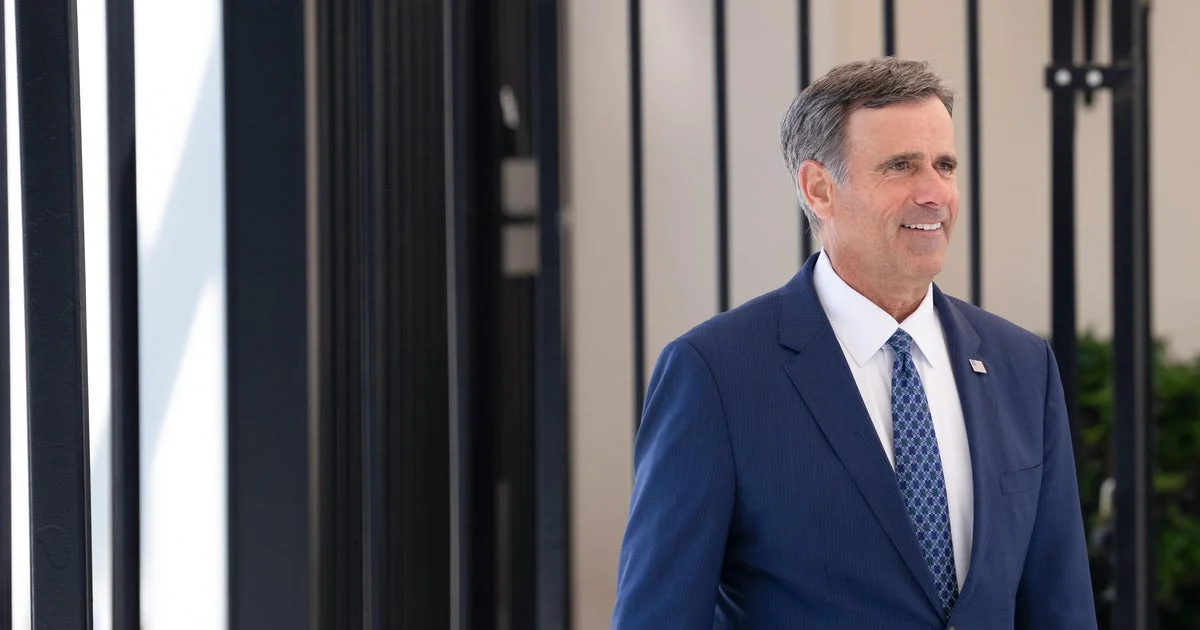
CIA Director John Ratcliffe traveled to Moscow on August 25, 2026, for confidential discussions with Russian intelligence counterparts, the Kremlin confirmed. The visit marks Ratcliffe’s first publicly known trip to Russia since taking the helm of the agency and highlights ongoing direct communication between U.S. and Russian intelligence amid strained bilateral relations.
What Happened
On Tuesday, August 25, a U.S. Air Force Boeing C-17A transport aircraft was observed landing in Moscow, followed by a U.S. diplomatic motorcade navigating the city. According to Kremlin spokesperson Dmitry Peskov, Ratcliffe engaged in talks with Russian intelligence officials but did not meet with President Vladimir Putin. Peskov stated that Putin was later briefed on the discussions.
While neither the CIA nor U.S. officials publicly commented on the visit, sources with knowledge of the situation confirmed Ratcliffe’s presence and meetings in Moscow. Ahead of the trip, the U.S. government notified Ukrainian officials of the delegation’s visit and requested they pause military strikes until the delegation departed Russia.
Key Facts
- Ratcliffe’s trip to Moscow on August 25 marks his first known visit there as CIA director.
- The meeting was with Russian intelligence counterparts, not President Putin.
- The U.S. Air Force’s Boeing C-17A Globemaster III transport plane carried the delegation to Moscow.
- The U.S. government briefed Ukraine ahead of the visit, requesting a temporary halt to strikes.
- Russian Human Rights Commissioner Yana Lantratova reported a prisoner exchange on the same day involving 10 prisoners from each side, though it is unclear if the CIA was involved.
What This Means
Ratcliffe’s secretive visit underscores the delicate and complex nature of U.S.-Russia relations despite the ongoing conflict in Ukraine and broader geopolitical tensions. Intelligence dialogue channels remain open, allowing for direct communication that may contribute to managing crises or negotiating issues such as detainee exchanges. The U.S. government’s coordination with Ukraine to pause hostilities signifies a tactical approach to sensitive diplomacy, aiming to reduce escalations while talks or intelligence engagements occur.
This meeting also suggests that Washington and Moscow continue to prioritize intelligence-level contacts as a pragmatic tool even when formal diplomatic relations are strained. Although Kremlin spokesperson Peskov described the bilateral relationship as in a “deep crisis,” the ongoing dialogue may serve as a platform to prevent misunderstandings and possibly lay groundwork for future negotiations.
For the public and policymakers, the visit reveals that covert diplomatic activity continues behind the scenes, reflecting the ongoing struggle to balance confrontation with cautious engagement between two adversaries amid the conflict in Ukraine.
Background
Before Ratcliffe, former CIA Director William Burns traveled to Moscow in November 2021 and met directly with President Putin in an effort to deter Russia’s invasion of Ukraine. Since taking office, Ratcliffe has maintained contact with Russian intelligence officials.
The CIA has played a role in facilitating U.S.-Russia detainee exchanges, including the 2024 and 2025 releases of high-profile prisoners such as Wall Street Journal reporter Evan Gershkovich and dual national Ksenia Karelina, negotiations that Ratcliffe was personally involved in.
U.S.-Russia peace talks over the Ukraine war remain stalled, and intelligence assessments indicate Russian President Putin may be considering increased covert provocations against NATO members, short of open military conflict.
What Remains Unclear
It has not been confirmed whether Ratcliffe had departed Moscow as of Wednesday, August 26, after the visit. The CIA’s involvement, if any, in the prisoner exchange reportedly conducted on the same day remains unknown. Furthermore, it is unclear if or how these intelligence discussions will affect the broader U.S.-Russia diplomatic relationship or peace negotiations concerning Ukraine.
What Comes Next
At this time, no public plans for follow-up meetings or official statements have been announced. The continuation of intelligence dialogues and potential future prisoner exchanges may remain key components of U.S.-Russia engagement while political talks remain at an impasse.
Sources
This article is based on reporting and publicly available information from the following source:
Read more World News stories on Goka World News.