
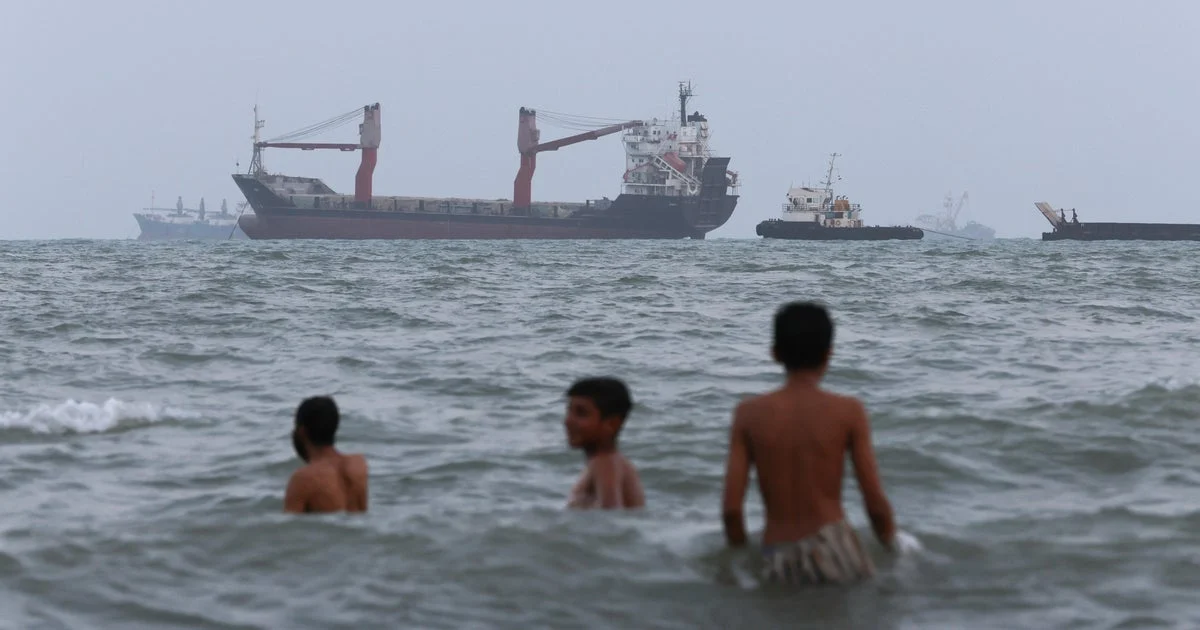
Negotiations between Iran and Oman have brought the countries closer to reestablishing transit through the Strait of Hormuz, a globally vital maritime chokepoint. However, Tehran insists the United States must first lift its blockade on the waterway before any ships are allowed safe passage. The discussions occur amid heightened sanctions and military tensions affecting the region’s stability and international energy supplies.
What Happened
On August 25, 2026, Iran and Oman issued a joint statement detailing their ongoing talks about a proposal to temporarily reopen the Strait of Hormuz. This plan includes establishing a designated route for shipping and a coordinated mine-clearing operation to ensure navigation safety. The talks follow a memorandum of understanding the two nations signed in June concerning the future management of the Strait.
Oman’s Foreign Minister, Bdr Albusaidi, expressed hope that a temporary corridor and practical arrangements to restore safe maritime transit would be announced soon. He indicated that a permanent management solution would be developed later. Iranian Deputy Foreign Minister Kazem Gharibabadi, however, stated that before reopening the Strait, the U.S. must lift what Iran terms an illegal blockade.
Key Facts
The Strait of Hormuz is a narrow passage between the Persian Gulf and the Gulf of Oman that serves as a critical shipping lane, through which approximately 20% of the world’s petroleum passes. Iran and Oman’s talks aim to clear mines from the water and set a specific transit route to prevent further disruptions.
The United States maintains a “zero tolerance” policy toward Iranian mine-laying activities in the Strait, with former President Trump stating any Iranian vessel placing mines would be “immediately and systematically destroyed,” supported by surveillance from the U.S. Space Force.
Following the U.S. announcement of new sanctions targeting Iran and its allies, long queues formed at gas stations in Tehran amid fears of economic hardship. U.S. Treasury Secretary Scott Bessent outlined plans targeting every economic lifeline to pressure Tehran as the conflict enters its sixth month without military resolution.
China has condemned U.S. sanctions on Iran, warning Washington that unilateral punitive measures lack legal standing without UN Security Council approval and asserting that its trade with Iran is conducted legally.
What This Means
The potential reopening of the Strait of Hormuz is significant for the global energy market and regional geopolitical stability. The Strait’s obstruction has previously caused sharp volatility in oil prices due to supply concerns. Restoring safe transit could ease some economic pressures internationally and reduce tensions in a strategically sensitive area that links Gulf oil exports to global markets.
However, Iran’s demand that the U.S. first lift its blockade reveals the deep mistrust underlying the negotiations and highlights that a lasting resolution remains elusive. The continued U.S. sanctions and military posture signal that broader conflicts over influence and control of the region persist. The situation poses direct consequences for countries reliant on Gulf oil, global shipping security, and international diplomatic efforts to manage Gulf tensions.
Background
Since the outbreak of hostilities between Iran and the United States and its allies nearly six months ago, the Strait of Hormuz has seen significantly restricted traffic, largely due to Iranian mine deployment and U.S. naval operations. The waterway, one of the world’s most important oil transit routes, has become a flashpoint in the broader standoff involving sanctions, military threats, and proxy conflicts in the region.
Oman has traditionally played a mediating role in Gulf tensions and has worked with Iran to deescalate risks tied to maritime security. The memorandum of understanding signed in June was aimed at establishing frameworks for cooperation on the Strait’s management despite broader geopolitical hostilities.
What Comes Next
Officials from Iran and Oman anticipate announcing a temporary maritime corridor through the Strait of Hormuz soon. Details of the corridor and practical arrangements for mine clearance will follow. Meanwhile, Tehran insists that the U.S. must fully lift its blockade for the reopening plan to proceed.
On the U.S. side, further enforcement of sanctions and military vigilance is expected to continue as Washington aims to maintain pressure on Iran. China has also indicated it will defend its interests regarding trade with Iran, suggesting the economic conflict will persist even as diplomatic talks progress.
Sources
This article is based on reporting and publicly available information from the following source:
Read more World News stories on Goka World News.