
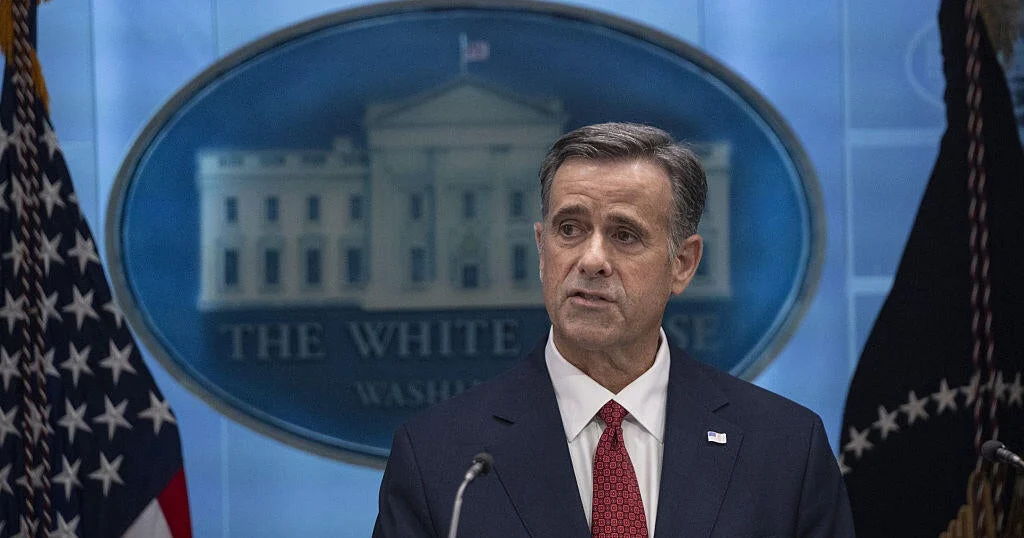
In a rare and secretive diplomatic move, CIA Director John Ratcliffe traveled to Moscow this week to deliver a stern warning to Russia against attacking NATO member countries amid growing U.S. intelligence concerns about Russian provocations. The visit highlights the rising tensions between Russia and the West and reflects efforts to deter any destabilizing military or hybrid actions in the region.
What Happened
John Ratcliffe’s discreet trip took place in Moscow, Russia, earlier this week, marking his first known visit to the country as CIA director. According to multiple sources familiar with the matter, Ratcliffe warned Russian officials against any attacks or provocations directed at NATO nations, reflecting U.S. intelligence assessments suggesting that Russia might escalate hybrid or cyber operations on NATO territory. The visit also included discussions about Iran, with Ratcliffe warning of additional U.S. sanctions if Iran did not reopen the Strait of Hormuz to shipping traffic.
The trip was uncovered after a U.S. Air Force plane was observed landing at a Moscow airport and a diplomatic convoy moved through the city. Ukrainian officials were informed of the visit and asked to refrain from striking targets in Moscow during the duration of the visit. The Wall Street Journal initially reported on Ratcliffe’s warnings, but the CIA did not comment on the specifics of the trip.
Former President Donald Trump confirmed the visit in an interview but described it as “semi-routine” and unrelated to Iran or NATO tensions. Kremlin spokesperson Dmitry Peskov stated that Ratcliffe met with Russian intelligence officials but not with President Vladimir Putin and dismissed media reports about the visit’s purpose as “scare stories.”
Key Facts
U.S. intelligence has recently assessed that Russian President Vladimir Putin might authorize provocations against NATO members, including cyberattacks and hybrid actions intended to test NATO’s unity rather than provoke full-scale war. Specific incidents raising concern include drone incursions into Romania, a Russian missile crossing into Poland last month, and increased sabotage and cyberattack activities in Europe.
Under NATO’s Article 5, an attack on one member calls for collective defense, a commitment questioned by Trump amid criticisms that some allies do not meet defense spending targets. Russia has meanwhile maintained its alliance with Iran, providing intelligence support and collaborating on drone technology, a relationship complicated by ongoing U.S. sanctions and military presence in the region.
What This Means
Ratcliffe’s secret visit to Moscow underscores the delicate balance of power in Eastern Europe and the strategic chess game between Russia and NATO. By directly warning Russia, Washington aims to reinforce deterrence and prevent miscalculations that could escalate into military conflict. The focus on Iran also signals broader U.S. concerns about Middle Eastern security and the critical importance of maritime trade routes like the Strait of Hormuz.
The warning reflects increasing wariness about Russia’s willingness to engage in gray-zone tactics that exploit ambiguities below the threshold of open war, challenging NATO’s cohesiveness. For ordinary citizens in NATO countries, the message is tangible: protecting alliance members remains a priority despite political uncertainties, and intelligence agencies are actively monitoring evolving threats.
This event also illustrates the covert diplomacy often employed to manage great-power competition — channels open even in times of public discord — as officials seek to prevent escalation while signaling resolve.
Background
The visit occurred against a backdrop of strained U.S.-Russia relations exacerbated by Russia’s ongoing war in Ukraine, which began in 2022. Washington has expressed consistent concern about Russian aggression in Europe, including cyberattacks and territorial incursions. Trump administration officials have previously criticized NATO allies over defense spending pledges, triggering debate over the alliance’s future unity and deterrence capabilities.
Russia’s partnership with Iran, especially on intelligence sharing and drone development, complicates the geopolitical landscape, intertwining European and Middle Eastern security issues. Iran’s closure of the Strait of Hormuz, a vital oil shipping route, prompted U.S. threats of additional sanctions tied to Ratcliffe’s discussions.
What Remains Unclear
Details of Ratcliffe’s exact discussions with Russian intelligence remain undisclosed. The extent to which Moscow will heed these warnings or adjust its behavior is not confirmed. Similarly, the full scope of Iran-related sanctions threats and their potential impact on Strait of Hormuz shipping flows remain uncertain. The precise reasons for the Kremlin’s dismissal of the visit’s reported aims are also not fully explained.
What Comes Next
U.S. intelligence agencies will continue monitoring Russian activities closely for signs of provocations against NATO. Diplomatic channels, though quiet, may remain active to avert conflict escalation. The future of U.S.-Russia relations, NATO cohesion, and Iran sanctions will depend on forthcoming developments, particularly Russia’s next strategic moves and Tehran’s maritime policies.
Sources
This article is based on reporting and publicly available information from the following sources:
Read more Politics stories on Goka World News.