
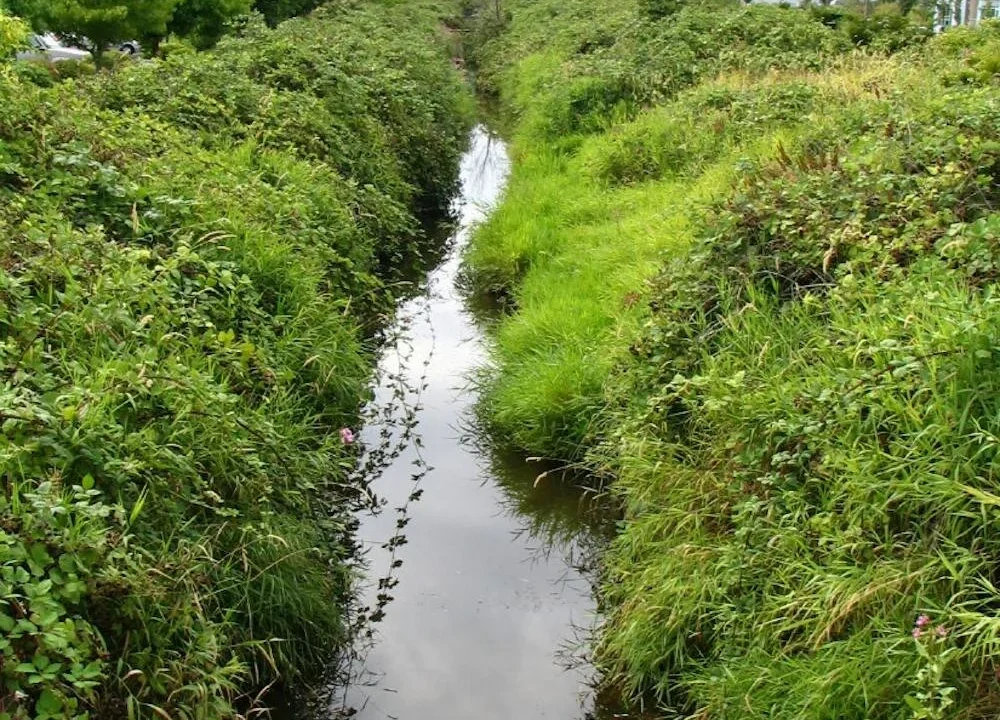
As cities expanded, many once-visible urban streams were buried underground to accommodate infrastructure growth. Now, facing heavier rainfall, aging infrastructure, and climate pressures, municipalities are exploring the restoration of these waterways—a process called stream daylighting—to improve stormwater management, ecological health, and public spaces.
What Happened
Research published in 2025 by Luna Khirfan in the Journal of Environmental Planning and Management compared two distinct urban stream daylighting strategies from Seoul, South Korea, and Zürich, Switzerland. Seoul implemented a rapid, centralized daylighting of the Cheonggyecheon stream between 2003 and 2005, removing an elevated highway to create a continuous urban corridor featuring water, transit, pedestrian, and cycling infrastructure. By contrast, Zürich adopted a gradual, decentralized approach beginning in the 1980s, restoring multiple smaller stream segments incrementally across neighborhoods, integrating these with sewer, ecological, and urban plans.
Key Facts
Seoul’s Cheonggyecheon project demanded substantial upfront investment and ongoing maintenance, notably requiring water pumps to maintain stream flow. While the project enhanced urban mobility and public access, it also raised land values, causing some displacement. Zürich’s Bachkonzept, meanwhile, involved numerous smaller-scale restorations linked to long-term municipal planning, spreading ecological and recreational benefits broadly without a single flagship project. Zürich’s approach allowed the city to monitor outcomes and expand interventions in tandem with infrastructure upgrades and redevelopment sites.
What This Means
Daylighting buried urban streams offers multifaceted benefits by reintroducing natural waterway functions into densely built environments, addressing stormwater runoff challenges intensified by climate change. The contrasting examples illustrate that both large-scale urban renewal and smaller, adaptive projects can effectively reintegrate streams into cities, depending on political will, funding, and local context. This diversity in approach offers municipalities a model to tailor interventions that fit site-specific infrastructure conditions and social considerations.
Importantly, these projects highlight the need for municipalities to balance ecological restoration with equity concerns. Enhanced public spaces around daylighted streams can catalyze neighborhood desirability, risking displacement of existing residents. Long-term funding for maintenance and monitoring, as well as policies to protect affordable housing, are critical for ensuring benefits are shared widely. Moreover, the incremental approach permits cities with limited budgets or fragmented governance to start restoration on manageable scales, building knowledge and capacity over time. For urban dwellers, stream daylighting can mean reduced flood risk, improved green space access, and revitalized local ecosystems.
Background
Urban streams were historically buried beneath cities to allow for dense development and infrastructure such as roads and storm sewers. However, these buried waterways can pose flood risks when heavy precipitation overwhelms aging underground conduits, as well as prevent urban biodiversity and restrict access to natural amenities. Stream daylighting reintroduces these watercourses to the surface, reconnecting ecological processes and expanding urban green infrastructure networks. Prior restoration efforts in cities internationally have employed varying scales and strategies depending on local conditions.
The Bigger Picture
The dual examples from Seoul and Zürich exemplify a broader urban sustainability trend toward nature-based solutions for climate resilience and livability. Stream daylighting exemplifies these solutions, enabling cities to work with natural hydrological cycles rather than relying solely on engineered drainage. Such projects align with growing urban planning priorities of multifunctional green infrastructure combining flood mitigation, habitat restoration, public recreation, and social equity goals.
What Comes Next
Municipalities worldwide are encouraged to initiate comprehensive mapping that integrates historical stream locations, flood risk, social vulnerability, public land ownership, and infrastructure renewal timelines. This preliminary assessment guides feasibility studies and prioritizes pilot daylighting projects. Long-term success depends on establishing adaptive management frameworks that monitor hydrological performance, ecological health, public use, maintenance costs, and potential social impacts. Scaling daylighting programs could mean incrementally increasing the network of restored streams, informed by ongoing research and lessons learned.
Sources
This article is based on reporting and publicly available information from the following sources:
Read more Science Discoveries stories on Goka World News.