
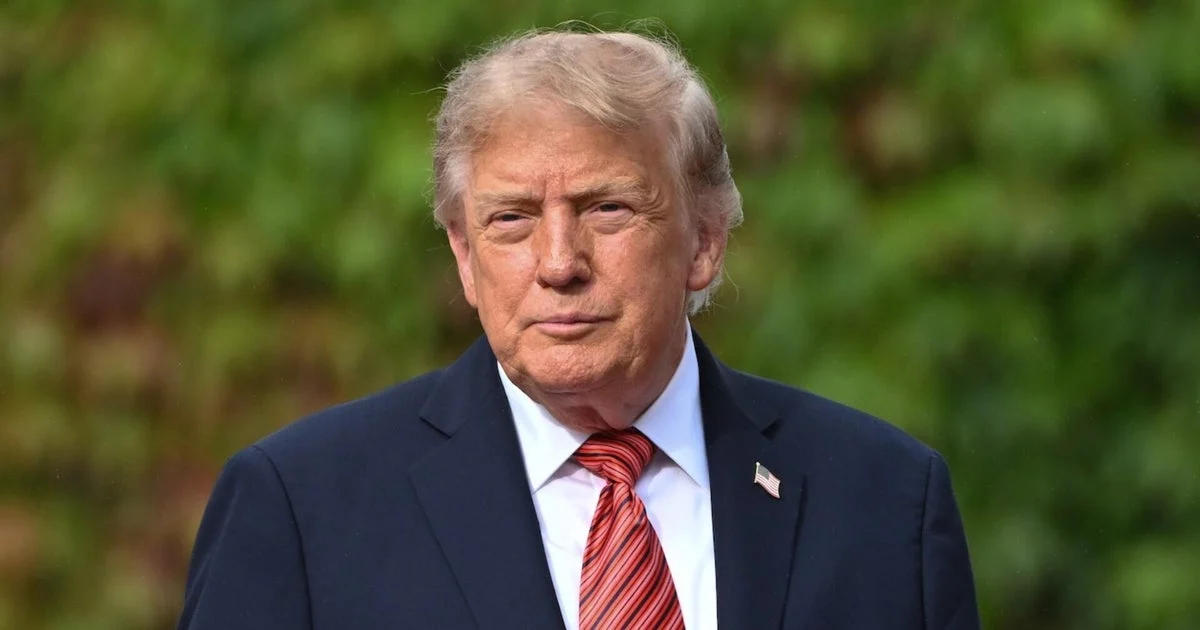
President Donald Trump announced on September 19, 2026, his plan to establish an “AI Force” aimed at promoting the growth of artificial intelligence in the United States without restrictions. He dismissed concerns about AI’s potential existential risks and emphasized the importance of advancing AI technology as part of the country’s economic future.
What Happened
On September 19, President Trump published a post on Truth Social declaring his intention to form an “AI Force,” drawing a parallel to the Space Force created during his previous term. He rejected warnings about AI becoming a superintelligence threat, labeling such fears as a hoax. Trump stated that the U.S. would not hinder AI’s development but would instead support and monitor it through the existing criminal and civil justice systems for potential abuses.
Trump characterized AI as the “next Industrial Revolution” with the potential to contribute up to 25% of the country’s GDP, highlighting the competitive race against China. Additionally, he announced plans to officially appoint an “AI Czar” soon, a role he previously designated to David Sacks in December 2024. Sacks’ tenure as White House A.I. & Crypto Czar ended in March 2026.
Key Facts
David Sacks, appointed by Trump in 2024 as the White House A.I. & Crypto Czar, concluded his special government employee role in March 2026. In a recent CBS News interview, Sacks downplayed the threat fears concerning AI, advocating continued development with caution.
Contrasting views exist within the AI community, notably from former Anthropic researcher Jacob Coxon, who cautioned against the dangers of developing self-improving “superintelligence.” Anthropic CEO Dario Amodei has similarly called for slowing AI progress, acknowledging real risks and admitting the industry’s prior misrepresentations about these dangers.
What This Means
President Trump’s announcement signifies a political commitment to aggressively support AI development as a major pillar for economic growth and technological leadership. By dismissing fears associated with AI risks, his administration signals a focus on innovation momentum over stringent regulatory controls.
This approach underscores the ongoing national competition with China in AI technology, framing AI as vital for U.S. industrial and economic dominance. The creation of an “AI Force” and appointment of an AI Czar institutionalizes this priority within government, potentially impacting future policy, funding, and oversight.
However, the reliance on existing justice systems to police AI misuses rather than introducing new AI-specific regulations could raise concerns among policymakers and experts advocating for proactive safeguards. This stance also highlights a divide between political leadership and some AI researchers calling for precautionary measures to mitigate emerging risks.
Background
Trump appointed David Sacks as White House A.I. & Crypto Czar in December 2024 to oversee AI and cryptocurrency-related policy. Sacks expressed views that downplay the threats posed by AI, aligning with Trump’s current position. Meanwhile, broader debates continue within the tech industry about adequately managing AI’s risks, with notable calls for slowing AI development from figures such as Dario Amodei and Jacob Coxon.
What Remains Unclear
Details about the structure, scope, and operational mandate of the proposed “AI Force” have not yet been disclosed. It is also unknown who will be appointed as the new AI Czar and how this role might differ from or expand upon David Sacks’ previous tenure. The policy specifics on how the criminal and civil justice systems will be leveraged to address AI-related issues remain to be clarified.
What Comes Next
President Trump has announced that the official appointment of the new AI Czar will occur soon. Further announcements regarding the formation and functions of the AI Force are expected to follow.
Sources
This article is based on reporting and publicly available information from the following sources:
Read more AI Regulation stories on Goka World News.