
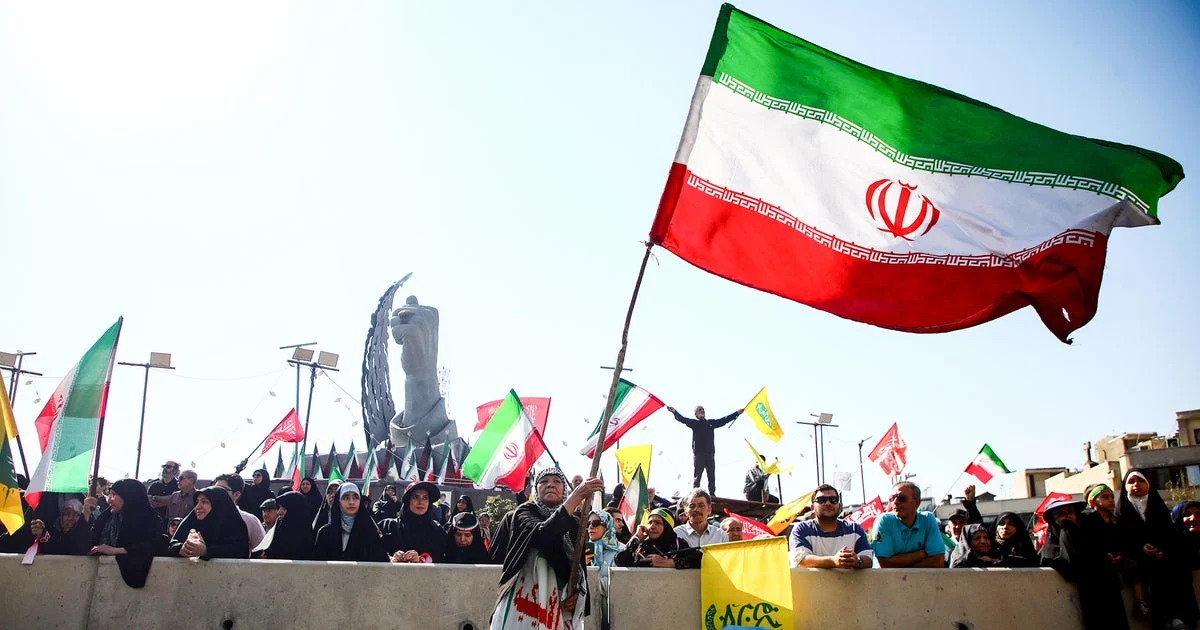
In New York City, the United States and Iran conducted their first indirect talks in months during the United Nations General Assembly, a development that comes amid President Donald Trump’s stark warning to the Iranian regime regarding the ongoing conflict. The talks took place as Trump threatened to “annihilate” Iran if a resolution to the nearly seven-month war was not reached, underscoring the high-stakes diplomatic environment.
What Happened
On Tuesday, U.S. special envoy Steve Witkoff and senior officials including Jared Kushner met with Iranian representatives via mediation by Qatari intermediaries. The three-hour meeting occurred alongside the UN General Assembly sessions in New York City. Although the discussions were indirect and conducted through intermediaries, U.S. officials described the talks as “very good” and “constructive,” with plans for further meetings soon. President Trump acknowledged the dialogue after warning the UN that he faced a decision between striking a deal or quickly annihilating the Islamic Republic.
Key Facts
The talks marked the first direct engagement between U.S. and Iranian envoys since June. Steve Witkoff announced the completion of “a round of discussions” but withheld details on the content. President Trump emphasized that the U.S. aims to prevent Iran from obtaining nuclear weapons and suggested a possible agreement after the midterm elections. Additional context includes escalating military tensions in the region, with Iran-backed Houthi rebels threatening U.S. interests in the Middle East if Washington intervenes militarily in Yemen’s civil war. Meanwhile, U.S. sanctions on Iran’s aviation sector took effect Wednesday, with several countries suspending Iranian airline flights in coordination with these sanctions.
What This Means
This rare moment of dialogue amidst a highly volatile conflict signals a cautious opening for de-escalation, despite sharply divergent rhetoric from both sides. The U.S. government’s diplomatic approach, combining pressure through sanctions and military threats with direct talks, reflects a complex strategy aimed at curbing Iran’s regional influence and nuclear ambitions. For Americans and the global community, the outcome of these discussions could influence oil markets, regional security, and the potential for broader conflict. The presence of multiple avenues for negotiation, alongside the military threats and sanctions, shows the delicate balance policymakers face in seeking peace while maintaining national security interests.
Moreover, the conflict’s ramifications extend beyond just Washington and Tehran, as regional actors like Saudi Arabia and Yemen’s Houthis assert themselves, raising the risk of broader instability. The suspended flights and energy sector disruptions highlight continuing economic pressures on Iran, which may factor into the negotiation calculus on both sides as winter approaches. Continued diplomatic engagement, even indirect, may prevent further escalation but remains fragile given the ongoing violence and hardline statements.
What Remains Unclear
The precise demands and concessions discussed during the indirect talks have not been disclosed. It remains uncertain whether Iran is prepared to make significant changes to its nuclear program or regional policies. Details on potential follow-up meetings, the involvement of other international actors, and whether President Trump will meet directly with Iranian leaders have not been confirmed. The extent to which the recent U.S. threats have influenced Iran’s willingness to negotiate also remains ambiguous.
What Comes Next
U.S. envoy Steve Witkoff indicated additional meetings are scheduled shortly to continue the dialogue. Iran’s president is expected to address the UN General Assembly on Wednesday, potentially signaling Iran’s stance going forward. The U.S. administration will also closely monitor developments related to Houthi threats in Yemen and the implementation of sanctions affecting Iran’s aviation and energy sectors. Domestic political considerations in the U.S., including the upcoming midterm elections, may also shape the timing and nature of any potential agreement.
Sources
This article is based on reporting and publicly available information from the following source:
Read more Politics stories on Goka World News.