
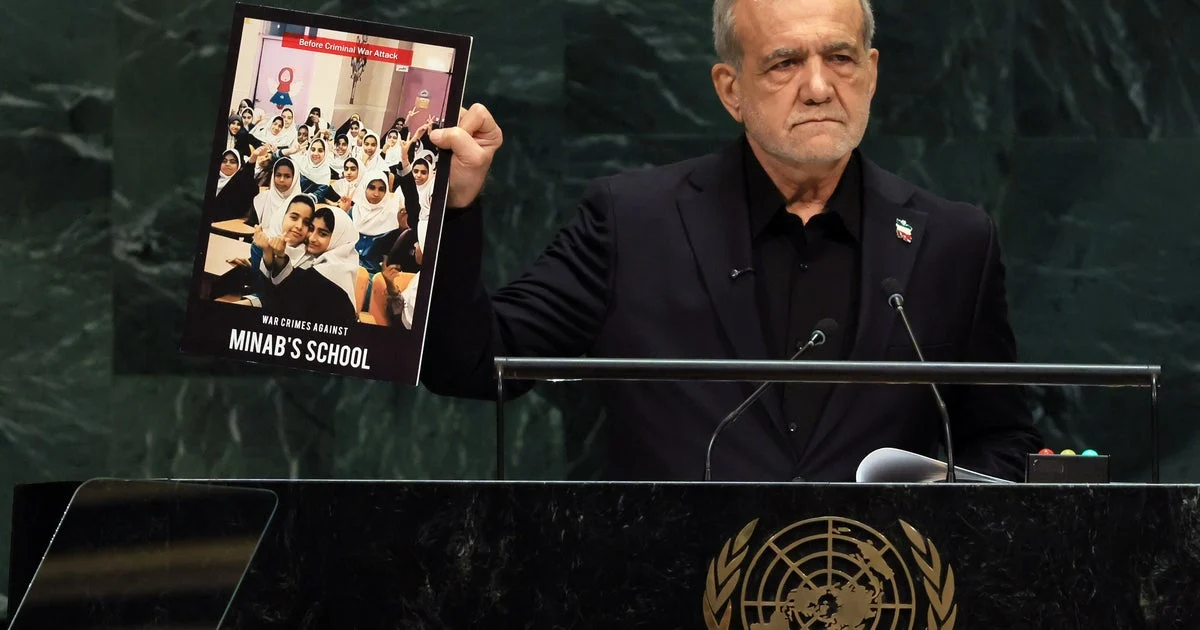
Iran has put forward a seven-day proposal aiming to reopen the Strait of Hormuz and revive negotiations with the United States to reach a broader peace agreement. The move comes amid ongoing conflict in the region and as Iran seeks a deal before the U.S. midterm elections in November, signaling potential shifts in Middle East diplomacy and global energy supply.
What Happened
On September 25, 2026, Iran’s foreign minister, Abbas Araghchi, announced that Tehran had shared a seven-day plan with U.S. mediators proposing to reopen the Strait of Hormuz, the vital maritime chokepoint through which a significant portion of the world’s oil flows. The plan also includes restarting talks on a wider ceasefire. The proposal reportedly echoes elements of a memorandum of understanding signed in June by former U.S. President Donald Trump. American officials described the talks as positive and constructive but signaled no urgency due to a strong position in the strait, noting that nearly 40 million barrels of crude had transited the passage under U.S. military escort in the preceding 48 hours.
Key Facts
The Strait of Hormuz blockade by the United States has led to the redirection of 122 commercial vessels since mid-July 2026, an increase from 115 noted earlier in the week, according to U.S. Central Command. Iran’s offer would end the blockade if its terms are met within seven days of acceptance. Meanwhile, the conflict has intensified across the region, with the United Nations Security Council condemning Houthi missile attacks on Saudi Arabia, supported by Iran, which have affected civilian and energy infrastructure, injuring civilians, including women and children.
Pakistan’s Prime Minister Shehbaz Sharif declared at the U.N. General Assembly that drone attacks on Mecca by Houthi militants marked a “red line” for Islamabad, highlighting growing regional tensions. Yemen’s Saudi-backed leadership called for a general mobilization against the Iran-supported Houthis amid their seizure of Yemen’s Red Sea coast.
What This Means
The seven-day proposal to reopen the Strait of Hormuz is significant for global energy markets and regional stability. The strait is a critical artery for international oil shipments; its closure or restriction triggers spikes in oil prices and disrupts supply chains worldwide. Tehran’s overture reflects pressure to alleviate economic strains caused by prolonged conflict and sanctions, while attempting to influence U.S. domestic politics ahead of midterm elections. The U.S. response, emphasizing strategic advantage and caution, suggests Washington is weighing regional leverage against prospects for diplomatic resolution.
The wider peace talks implied by Iran’s proposal, if revived, could herald reduced military hostilities in the area, potentially easing the humanitarian crises in Yemen and adjacent countries. However, continued Houthi attacks and the polarized responses at the U.N. illustrate the fragility of peace prospects. For the international community, the proposal spotlights the complex interplay of diplomacy, military pressure, and regional alliances shaping Middle East security and global energy stability.
Background
The Strait of Hormuz has been a flashpoint due to its strategic importance, with previous conflicts leading to threats of closure or disruption. The 14-point memorandum of understanding referenced in the proposal was signed in June 2026 by Iran and the Trump administration, outlining initial attempts at de-escalation and navigation agreement. The ongoing Iran war, involving proxy conflicts in Yemen with the Houthis backed by Tehran and bolstered by Saudi-led coalitions, continues to destabilize the region and impact international energy supplies.
What Remains Unclear
Details of the specific conditions Iran demands to be met before reopening the Strait and the full terms of the peace negotiations remain undisclosed. The extent to which the U.S. and its allies are willing to accept Iran’s terms or potentially alter their blockade strategy is not confirmed. Additionally, accountability for recent escalations, particularly Houthi attacks on Saudi territory, is contested, complicating diplomatic efforts.
What Comes Next
Negotiations are expected to continue following the proposed seven-day timeline if both parties agree to Iran’s plan. The U.S. has indicated a preference for a measured approach, maintaining military enforcement in the strait while talks proceed. Regional leaders and the international community are monitoring developments closely, with upcoming U.N. discussions likely to address escalating humanitarian and security concerns linked to the conflict.
Sources
This article is based on reporting and publicly available information from the following sources:
Read more World News stories on Goka World News.