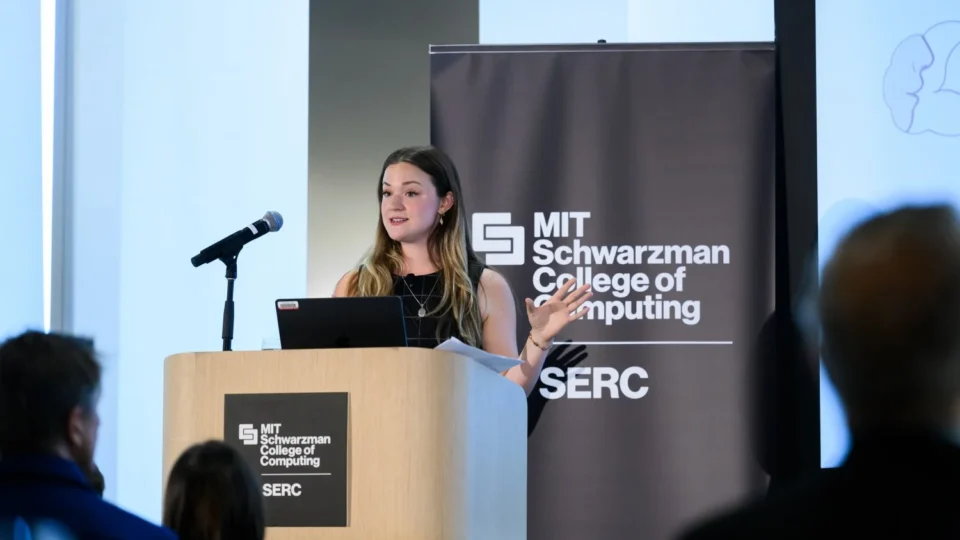
MIT PhD Student Wins $10,000 Prize for Neurotechnology Ethics Essay

MIT awards a $10,000 prize for an essay addressing ethical challenges posed by neural implants as these devices approach consumer use
Science & Technology covers major developments in artificial intelligence, cybersecurity, space exploration, digital policy, scientific research, and the technology companies shaping modern life.
MIT awards a $10,000 prize for an essay addressing ethical challenges posed by neural implants as these devices approach consumer use
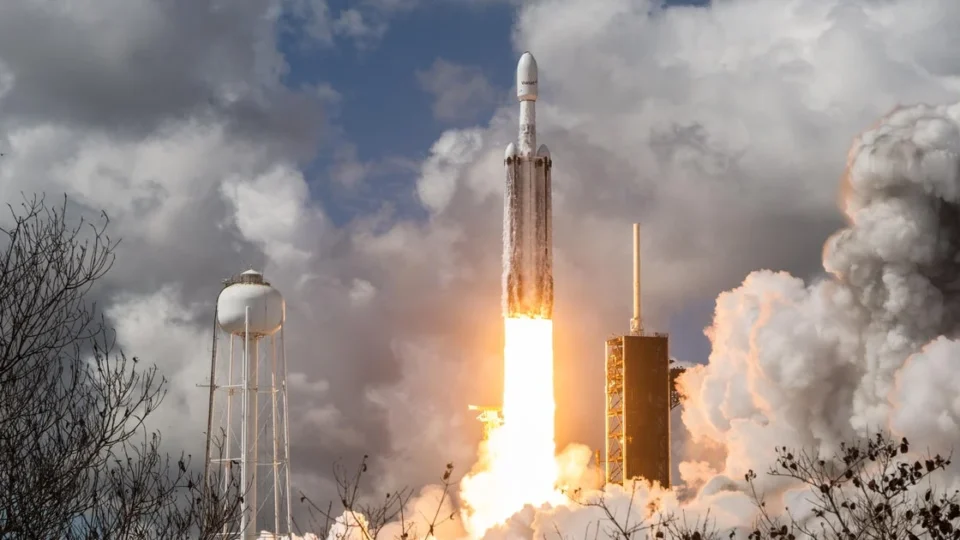
Three futurists share insights on the United States' evolution in health, space, and artificial intelligence over the coming centuries, highlighting profound societal and technological…
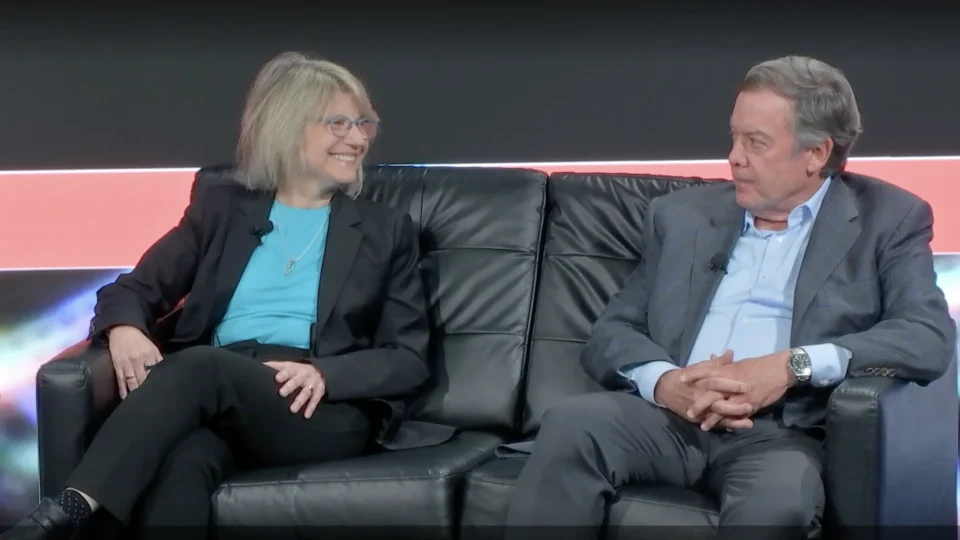
MIT President Sally Kornbluth urged renewed federal funding for curiosity-driven research, emphasizing AI education and the role of foundational STEM study in America’s future…
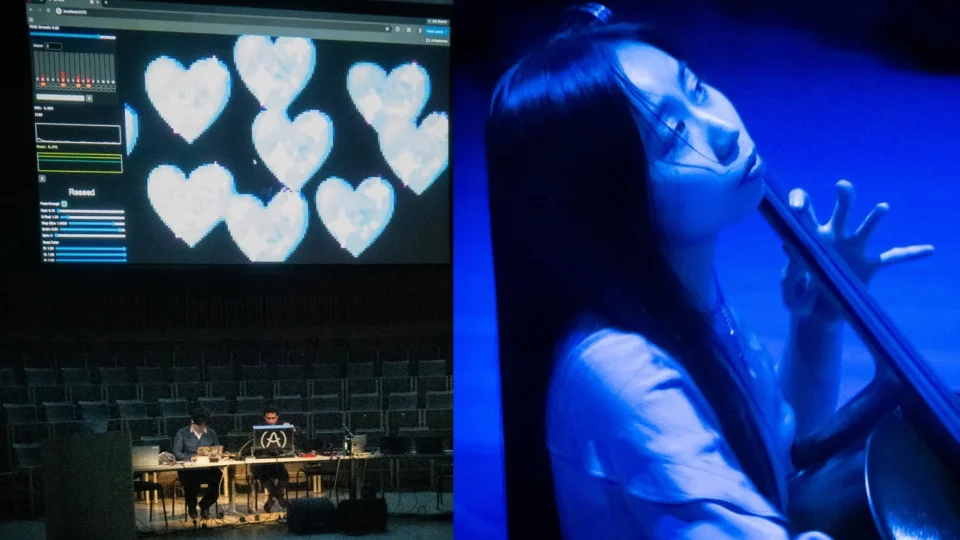
MIT's new Music Technology and Computation Graduate Program marked its debut with a research showcase featuring innovative projects blending music, engineering, and AI technologies
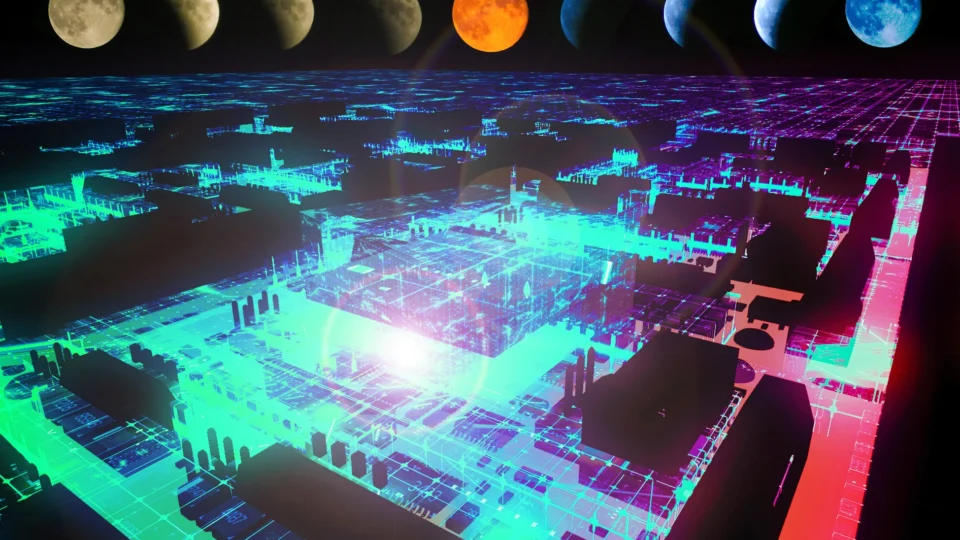
MIT researchers find that data centers shifting energy use to off-peak hours can reduce power system costs but have varying impacts on carbon emissions…
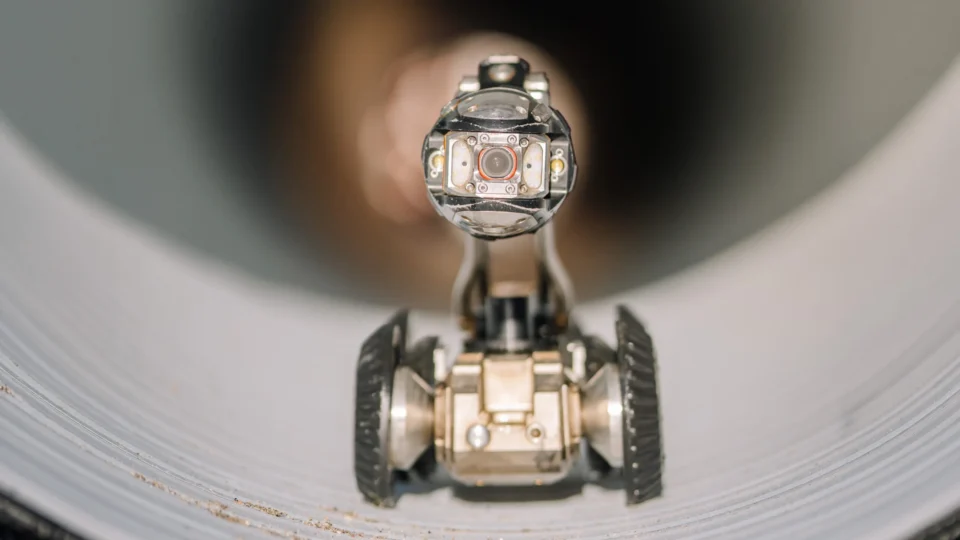
MIT researchers unveiled a chip that uses minimal power to generate real-time 3D maps, aiding small robots and augmented reality devices in navigating complex…
IBM introduced a new 0.7-nanometer chip technology that could boost computing power by 50% while significantly reducing energy consumption, aiming for production within five…

The National Science Foundation funded five new U.S. teams to design advanced quantum sensors, networks, and fault-tolerant computing, advancing experimental quantum technologies
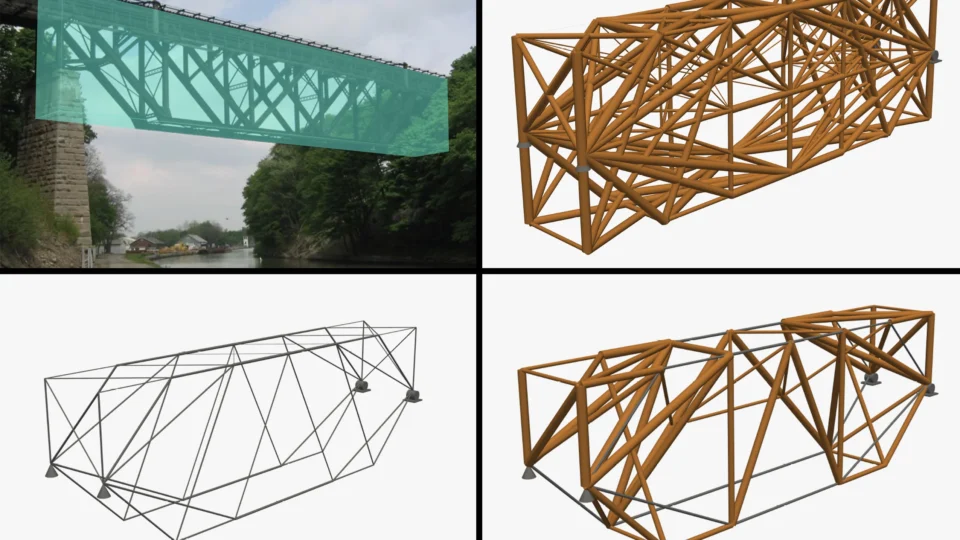
MIT researchers developed a new computational framework to create structurally sound, low-carbon building and bridge designs with fewer materials and practical constructability constraints
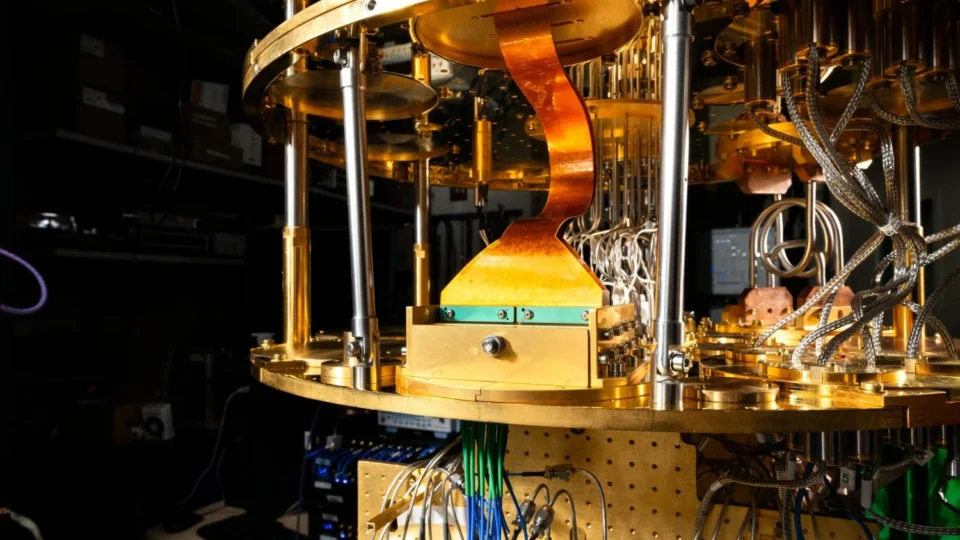
MIT Lincoln Laboratory and Maybell Quantum developed flexible, low-frequency ribbon cables compatible with cryogenic environments, improving scalability and integration in quantum computer cooling systems