
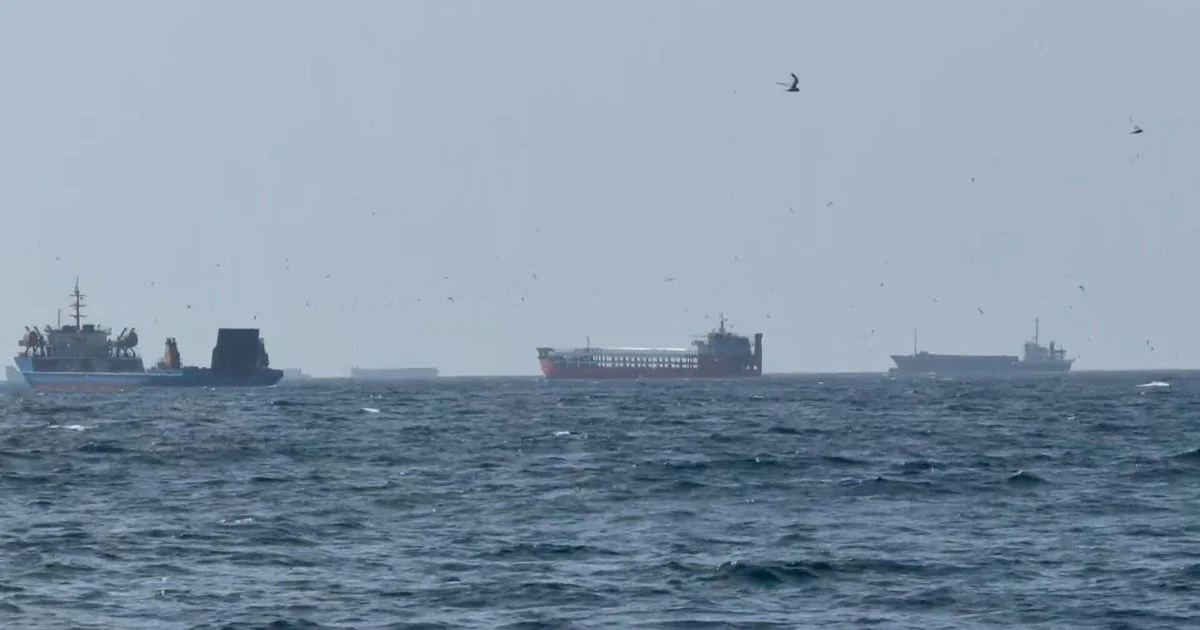
The United States and Iran engaged in a series of hostile exchanges near the Strait of Hormuz, a critical maritime passage for global oil shipments. Iranian state media reported that Iran’s navy fired warning shots toward American warships operating in the area.
In response, the U.S. military said it intercepted and destroyed Iranian cruise missiles and surveillance drones. Additionally, U.S. forces sank several small Iranian boats believed to be involved in the confrontations. These aggressive moves occurred despite ongoing diplomatic efforts to maintain a fragile ceasefire between the two countries.
The exchanges come as the Trump administration launched a mission to escort and protect commercial vessels navigating the Strait of Hormuz, aiming to ensure the free flow of maritime traffic amid escalating tensions with Iran.
Why it matters
The Strait of Hormuz is a strategic chokepoint for approximately one-fifth of the world’s petroleum passing by sea. Military confrontations in this region risk destabilizing global oil markets and raise the potential for wider conflict in the already volatile Middle East. Ensuring safe passage for international shipping lanes is a high priority for global trade and energy security.
Background
Relations between the U.S. and Iran have been strained following the U.S. withdrawal from the Iran nuclear deal in 2018 and the subsequent reimposition of sanctions. Tensions have periodically escalated in the Strait of Hormuz, where both nations frequently contest naval operations and assert control. The current incidents continue a pattern of confrontations that contribute to regional instability.
Sources
This article is based on reporting and publicly available information from the following source:
Read more World News stories on Goka World News.