
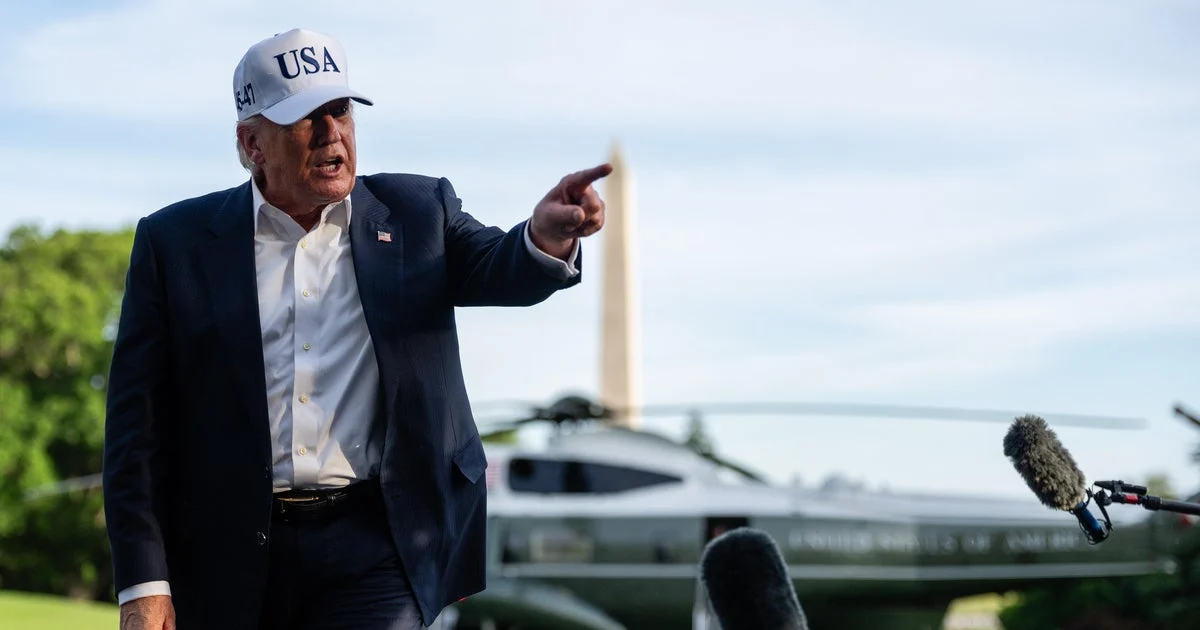
President Donald Trump and the Justice Department announced a $1.7 billion settlement on May 18, 2026, resolving Trump’s lawsuit against the Internal Revenue Service (IRS) and Treasury Department over the leak of his tax returns. Acting Attorney General Todd Blanche confirmed the creation of an “Anti-Weaponization Fund” to provide a structured process for addressing claims of government misuse against individuals, but stated that Trump and his family will receive no monetary damages.
The lawsuit, originally seeking $10 billion, was filed in January 2026 in Miami federal court by Trump, his two sons, Eric Trump and Donald Trump Jr., and the Trump Organization. It alleged that the IRS and Treasury improperly handled tax returns, leading to unauthorized disclosure to media outlets in 2020. Trump accused the agencies of allowing a government contractor to leak the returns.
Settlement Terms and Fund Administration
Instead of direct payments to Trump or the plaintiffs, the settlement establishes a $1.776 billion fund, administered by a five-member commission appointed by the attorney general. The commission will have the authority to issue formal apologies and monetary relief to eligible claimants who experienced “weaponization and lawfare.” The fund will stop accepting claims after December 15, 2028, with any remaining money reverting to the federal government.
Acting Attorney General Blanche emphasized the government’s commitment to preventing the misuse of federal agencies against Americans, stating the settlement aims to “make right the wrongs” and set up a lawful process for redress. Trump’s legal team also agreed to drop administrative claims against the Justice Department, which included requests for about $230 million in damages over investigations during both his presidencies.
Political and Legal Reactions
The settlement drew criticism from 93 Democratic members of Congress who filed a motion to intervene, arguing that the fund would funnel billions in taxpayer dollars into the hands of Trump and his allies. The nonprofit group Citizens for Responsibility and Ethics in Washington condemned the deal as “self-dealing” and potentially violating the Constitution’s Domestic Emoluments Clause.
When asked about potential compensation for individuals involved in the January 6 Capitol events, Trump stated that payments would be decided by the appointed committee and suggested victims deserved compensation. However, he said he was not directly involved in negotiating the deal.
Legal Uncertainties and Pending Issues
The lawsuit raised constitutional questions, with U.S. District Judge Kathleen M. Williams previously questioning whether a sitting president could sue his own government and whether a legitimate case or controversy existed. Trump’s legal team submitted that the settlement dismissal should not require the judge’s approval, effectively bypassing court review.
Both sides had sought extensions in April to negotiate a settlement and avoid prolonged litigation. The exact process and criteria for fund distributions will be determined by the commission’s forthcoming guidelines.
Why it matters
This settlement marks an unusual resolution to a rare lawsuit by a sitting president against federal agencies over alleged misuse of government powers. By creating a large fund to address claims of “weaponization,” the Justice Department is formalizing a mechanism intended to prevent future abuses and provide restitution. The case also highlights ongoing political tensions surrounding federal investigations of Trump and questions about executive power limits.
Sources
This article is based on reporting and publicly available information from the following source:
Read more Politics stories on Goka World News.