
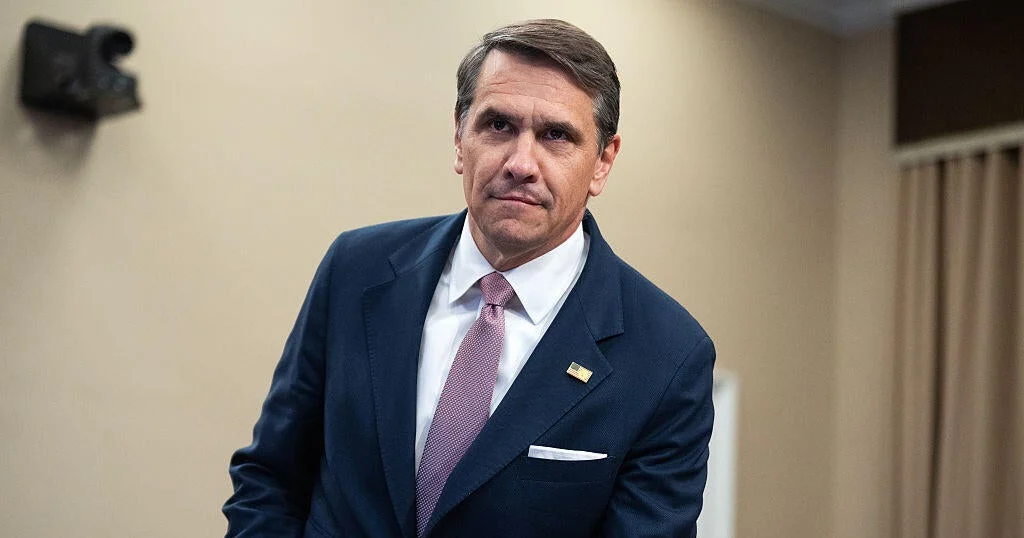
Acting Attorney General Todd Blanche announced on June 2, 2026, that the Justice Department will not proceed with its proposed $1.8 billion “anti-weaponization” fund, a move aimed at defusing Republican opposition that had stalled key legislative priorities in Congress.
What happened
During a House Appropriations Committee hearing, Blanche stated unequivocally, “We are not moving forward with the fund. Period.” When pressed by Democratic Rep. Grace Meng about whether that commitment would be provided in writing, Blanche declined, stating the hearing transcript would serve as the record. This announcement follows a district judge’s temporary block of the fund’s establishment.
The fund was designed to provide taxpayer money to individuals alleging federal government “weaponization” against them but faced intense GOP resistance. Republican lawmakers warned the fund threatened broader legislative efforts, particularly blocking votes on funding for the Department of Homeland Security’s immigration enforcement agencies. Due to this impasse, GOP leaders scrapped a planned funding vote and opted for a recess.
Senate and House Republican leaders indicated they await Blanche’s testimony to determine if the fund’s cancellation would be sufficient to advance their legislative agenda. Senate Minority Leader Chuck Schumer criticized the administration’s retraction as insufficient and pledged Democrats would continue efforts to abolish the fund through legislative votes.
Blanche also clarified that other components of a separate IRS settlement with former President Trump remain intact, including provisions barring audits of Trump’s prior tax returns, despite abandonment of the fund.
Why it matters
The Justice Department’s decision to halt the $1.8 billion anti-weaponization fund removes a significant point of contention that had split the GOP and stalled critical funding bills. Resolving this conflict is key for Republicans aiming to pass large-scale reconciliations and advance their policy agenda. However, lingering skepticism from some Republican lawmakers and Democratic demands mean legislative progress remains uncertain.
Additionally, the fund’s cancellation raises questions about the future handling of the related legal settlement, which involved taxpayer money and government commitments concerning claims of federal abuse.
Background
The anti-weaponization fund emerged from a legal settlement between the Justice Department and several plaintiffs alleging misuse of federal power. Republicans opposed the fund, viewing it as a politically charged mechanism and a potential pathway for misuse of taxpayer funds. The dispute contributed to a legislative gridlock in Congress, closely tied to funding for immigration enforcement and broader GOP legislative initiatives.
The fund’s establishment was blocked by a judge, and tensions within the Republican caucus prevented a consensus. Acting Attorney General Blanche’s announcement reflects the Justice Department’s response to this political pressure and its implications for ongoing negotiations on the 2026 legislative agenda.
Sources
This article is based on reporting and publicly available information from the following source:
Read more Politics stories on Goka World News.