
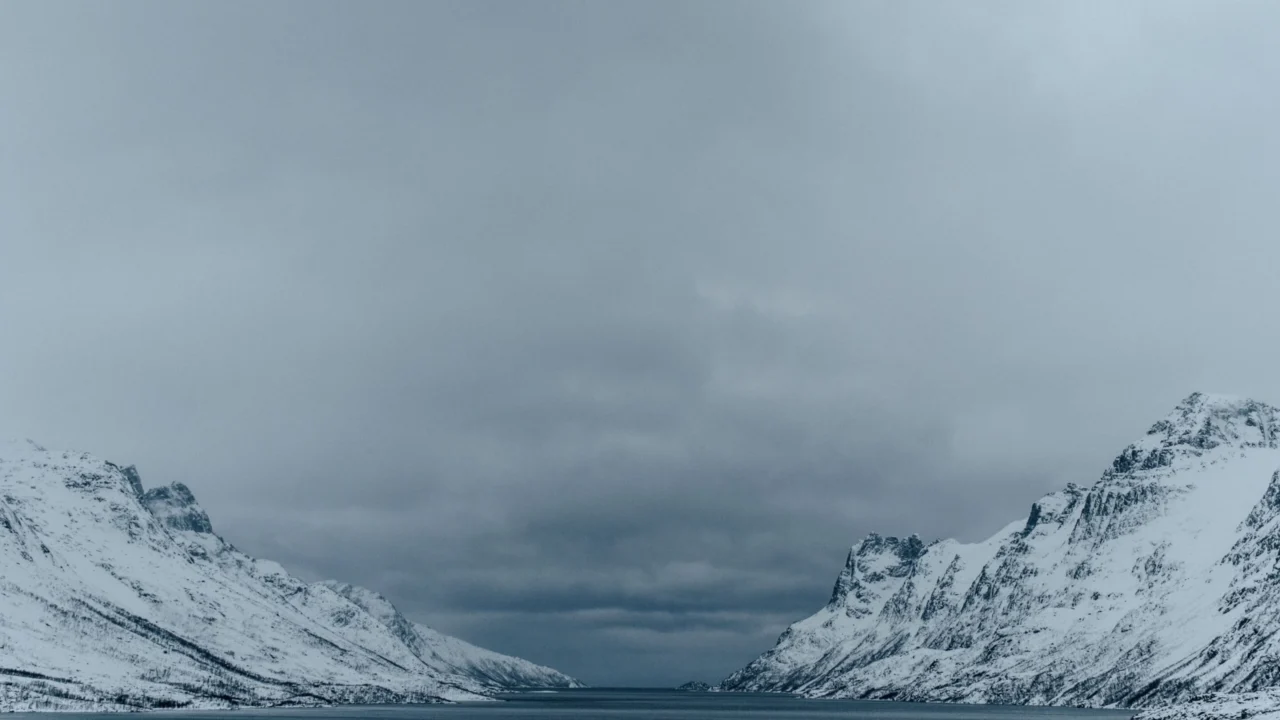
New research highlights the critical role that giant viruses, belonging to the newly recognized group Nucleocytoviricota, play in regulating life and biogeochemical cycles in polar ecosystems. These unusually large viruses, discovered only in the early 2000s, challenge traditional viral definitions and dominate microbial food webs in the Arctic and Antarctic regions.
What Happened
Scientists have characterized giant viruses that infect protists and microalgae at the poles, revealing their expansive DNA genomes of up to 2.5 million base pairs and their capacity to influence host metabolism. These viruses, initially overlooked due to their size and complexity, have been found to act as ecosystem engineers by modulating nutrient flow and host physiology in cold aquatic environments. The discovery also includes virophages—small viruses parasitizing giant viruses—that further regulate viral infections and contribute to ecosystem stability. Research focused on polar areas such as the Last Ice Area, which harbors unique viral diversity due to persistent multi-year ice cover, shows how these viruses intricately adapt to extreme ecological niches.
Key Facts
The Nucleocytoviricota giant viruses have genomes comprising millions of base pairs encoding genes from all life domains. They infect microbial eukaryotes that dominate polar food webs, influencing organic matter cycling through the viral shunt process, which releases nutrients back into microbial loops. Carried out by research teams using DNA sequencing and bioinformatics tools, these findings were supported by modeling studies in ecosystems such as Antarctica’s Organic Lake, demonstrating virophage impact on reducing giant virus virulence and promoting algal bloom stability. The Last Ice Area represents a natural laboratory with centuries of environmental stability, allowing detailed study of viral-host coevolution.
What This Means
Understanding giant viruses’ ecological functions in polar regions provides critical insight into how microbial life persists and adapts under extreme conditions. Their role in recycling nutrients and controlling microbial populations means they are key to the resilience of fragile polar food webs, especially as large predators are scarce. The presence of virophages adds complexity by naturally regulating viral infections, influencing the frequency of microbial blooms and ecosystem health. This research also serves as a warning: global warming threatens the stable ice-covered habitats where these viral communities thrive. Changes in ice cover and water stratification could disrupt viral-host dynamics, potentially triggering cascading ecological shifts with unknown consequences for polar biodiversity and carbon cycling.
Background
Prior to the discovery of mimivirus in 2003, viruses visible by traditional filters were thought limited in size and capacity, but giant viruses blurred distinctions between viruses and cellular life. Their partial replication machinery enables complex interactions with hosts, unlike smaller viruses. Advances in DNA sequencing and taxonomy have since expanded the known diversity and roles of these viruses across global ecosystems.
What Remains Unclear
Despite recent advances, many aspects require further research, including the full range of giant virus-host interactions across polar microhabitats and their functional impacts at larger ecological scales. The long-term effects of climate-driven habitat changes on viral community structure and ecosystem resilience remain uncertain. Additionally, the mechanisms behind virophage genomic integration and dormancy require more detailed investigation.
What Comes Next
Continuing research aims to map viral diversity with finer resolution and to experimentally verify the metabolic reprogramming effects of giant viruses on microbial hosts. Monitoring the Last Ice Area and other polar sites over time is critical to assess how warming impacts viral ecosystem functions. These efforts are essential for predicting how polar microbial networks will respond to accelerating climate change.
Sources
This article is based on reporting and publicly available information from the following source:
Read more Science Discoveries stories on Goka World News.