
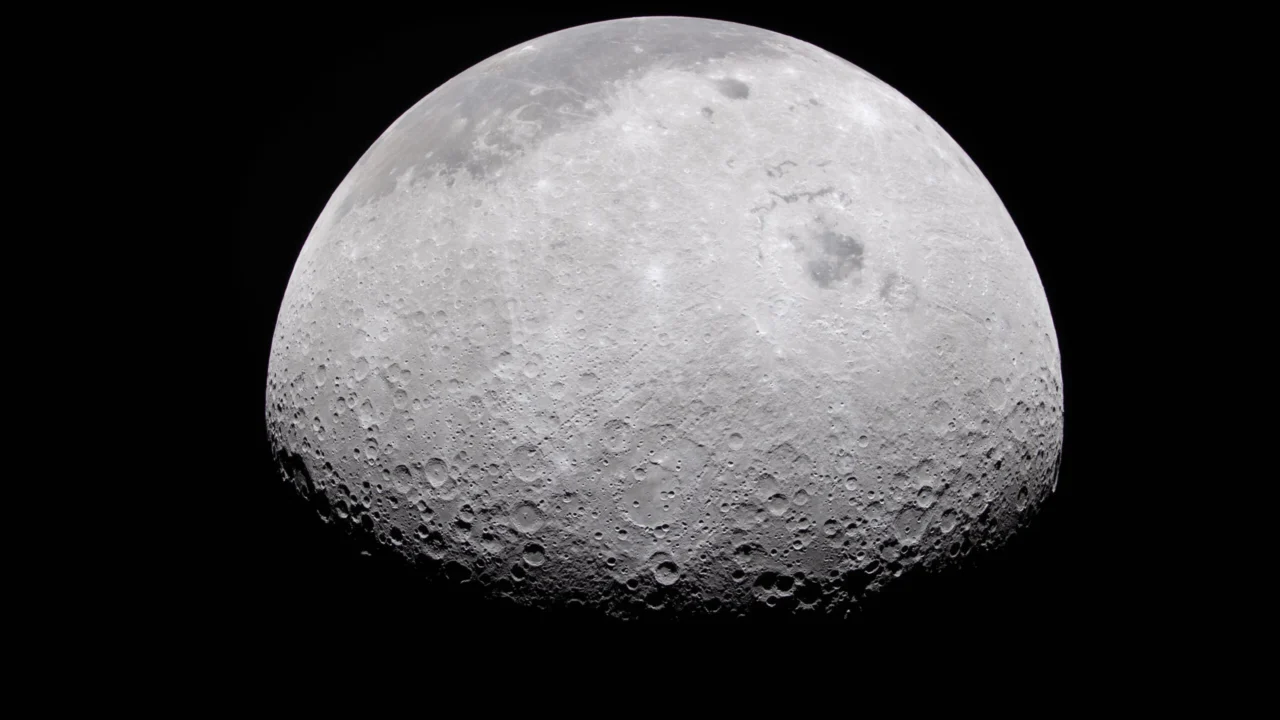
NASA and SpaceX are monitoring a used Falcon 9 rocket upper stage that is set to collide with the Moon on August 5, 2024. The agency plans to observe the impact near the Einstein and Bell craters using ground-based telescopes and lunar orbiters to gather scientific data on the event and improve space object tracking methods.
What Happened
On January 15, 2025, SpaceX launched a Falcon 9 rocket that successfully delivered Firefly Aerospace’s Blue Ghost 1 lunar lander to the Moon under NASA’s Commercial Lunar Payload Services (CLPS) program. Due to solar activity and gravitational influences, the Falcon 9’s upper stage, which was initially in lunar orbit, unexpectedly returned toward the Moon and is now confirmed to impact its surface on August 5 near notable craters.
Independent astronomers identified the upper stage’s trajectory using public data, which NASA’s Center for Near Earth Object Studies at the Jet Propulsion Laboratory later confirmed has a 100% chance of impact. NASA has been coordinating with SpaceX on tracking the object’s flight path as part of an ongoing training operation to monitor artificial and natural objects near Earth and the Moon.
Key Facts
- The impact is projected to occur near the Einstein and Bell craters on the lunar surface.
- The Falcon 9 upper stage is expected to create a crater approximately 60 feet (18 meters) wide and 12 feet (3.6 meters) deep.
- The collision will eject lunar dust and rock material outward from the impact site.
- The Moon’s lack of atmosphere means objects strike its surface without deceleration.
- Such impacts with energy equivalent to this rocket stage happen roughly every six days from meteoroids.
- NASA will use ground-based telescopes, the Lunar Reconnaissance Orbiter, and the ShadowCam instrument aboard South Korea’s Korea Pathfinder Lunar Orbiter to attempt to image the impact and its aftermath.
- Image acquisition depends on factors like lighting, weather, spacecraft position, and orbital timing, potentially delaying results by several days.
What This Means
Although artificial impacts on the lunar surface are rare compared to frequent meteoroid collisions, NASA’s observation of this event will offer valuable insights into how impact ejecta plumes behave. Such data deepen understanding of the Moon’s geology and support refinement of models that inform future lunar exploration and scientific missions.
This event also serves as a practical test in tracking human-made debris near the Moon, an increasingly important skill as both governmental and commercial missions expand lunar activities. Tracking the impact in real time enhances NASA’s capability to monitor space objects that might pose hazards or opportunities for scientific investigation.
Moreover, while this particular impact was unplanned, mission operators often choose controlled impacts of upper stages as a safe and accepted disposal method. Controlled impacts provide predictable and manageable end-of-life scenarios for spacecraft in lunar orbit, reducing risks of long-term debris accumulation.
Background
The Falcon 9 upper stage originally launched with the Blue Ghost 1 lander as part of NASA’s CLPS initiative, which contracts commercial partners to deliver payloads to the Moon to support exploration goals. Human-made debris impacting the Moon is unusual but has occurred in previous mission phases, providing rare but valuable scientific opportunities.
NASA’s Center for Near Earth Object Studies routinely monitors natural objects like asteroids as well as artificial satellites and debris to understand trajectories and mitigate risks to Earth and space operations.
What Comes Next
NASA’s Meteoroid Environments Office at the Marshall Space Flight Center will coordinate ground-based telescope observations during the probable impact timeframe. The Lunar Reconnaissance Orbiter and South Korea’s Korea Pathfinder Lunar Orbiter will conduct imaging passes before and after the event, dependent on spacecraft orbits and lighting conditions.
Researchers expect analysis of collected data and images to take several days, helping improve understanding of lunar impacts, debris behavior, and disposal practices on the Moon.
Sources
This article is based on reporting and publicly available information from the following sources:
Read more Space & NASA stories on Goka World News.