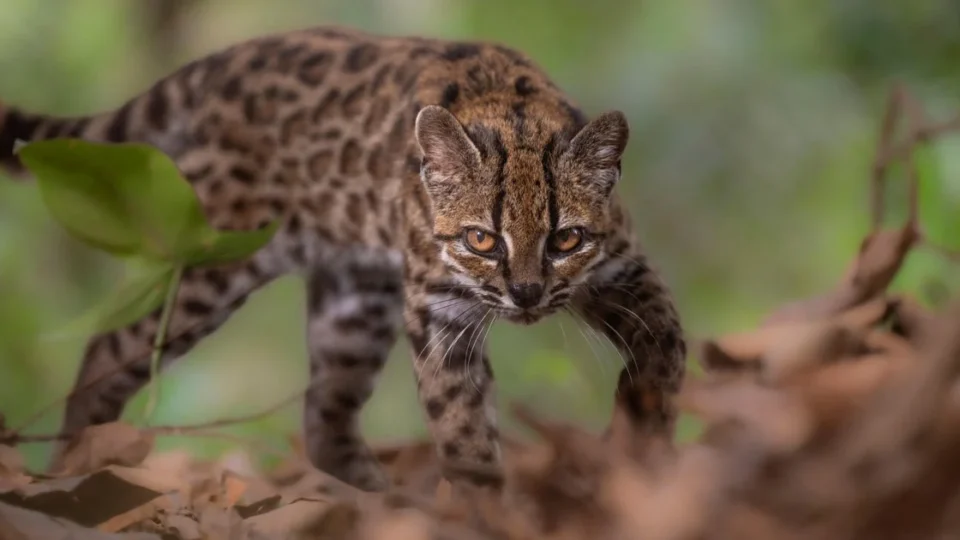
New Wild Cat Species Discovered in Bolivia After 100 Years

Scientists identify Leopardus tilcayo in Bolivia’s Yungas, marking the first new wild cat species discovered in over a century, with conservation concerns noted
Science Discoveries covers new research, scientific breakthroughs, public-interest studies, space science, health-related research, and discoveries that affect society.
Scientists identify Leopardus tilcayo in Bolivia’s Yungas, marking the first new wild cat species discovered in over a century, with conservation concerns noted

Researchers document a female humpback whale staying with her dead calf off Australia's Gold Coast, suggesting signs of grief in marine mammals
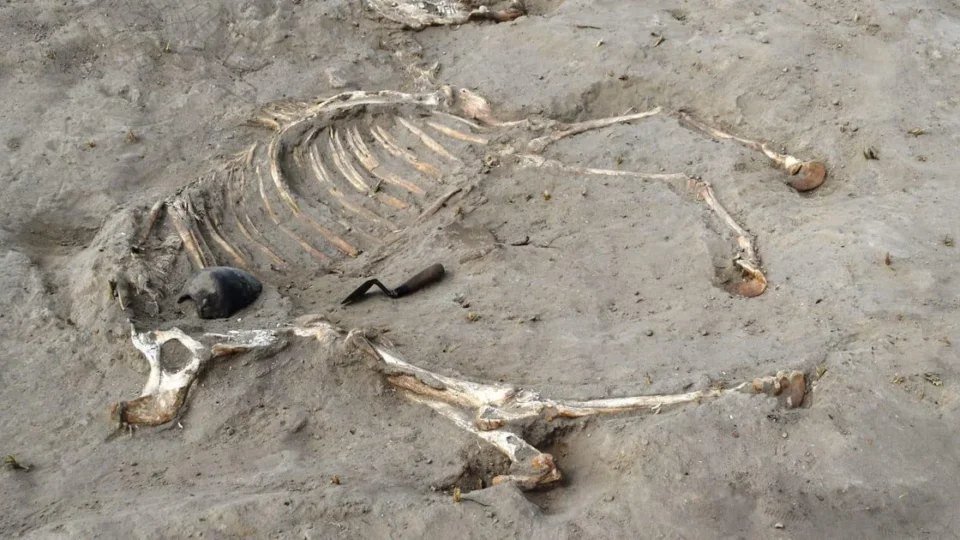
Archaeologists uncovered remains of a warhorse buried with honor over 3,000 years ago at a Nile Delta fortress, shedding light on New Kingdom military…

Researchers reveal how elite track cyclists use precise body movements to gain initial forward speed without violating race rules or physics principles

Researchers at ETH Zurich and the University of Bern show wildfire smoke reduces bird species diversity across the U.S., affecting ecosystem balance beyond fire…
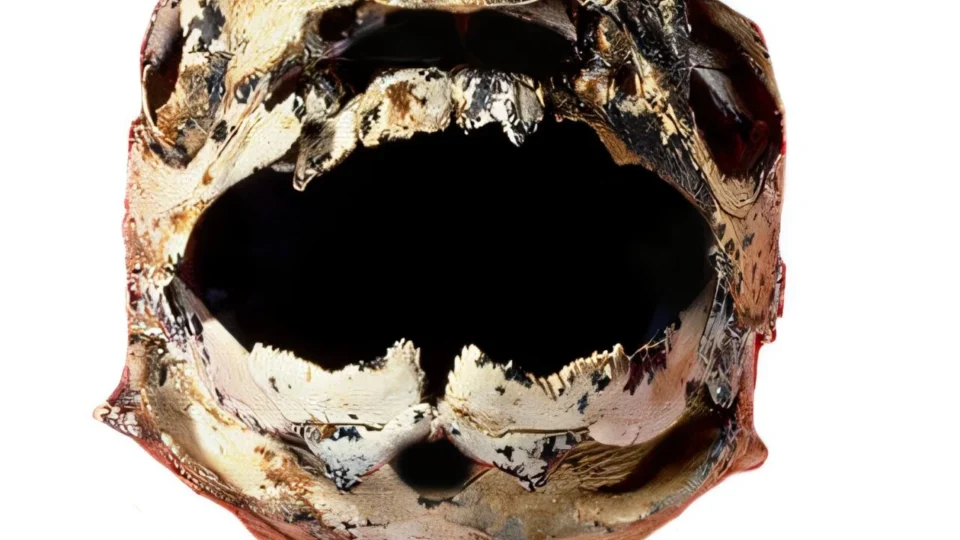
Flinders University scientists reveal that placoderms, early jawed fish from 385 million years ago, evolved two different jaw systems to handle armored prey in…

Researchers at MIT have created injectable nanoantennas activated by magnetic fields to target and kill drug-resistant glioblastoma cells without harming healthy brain tissue
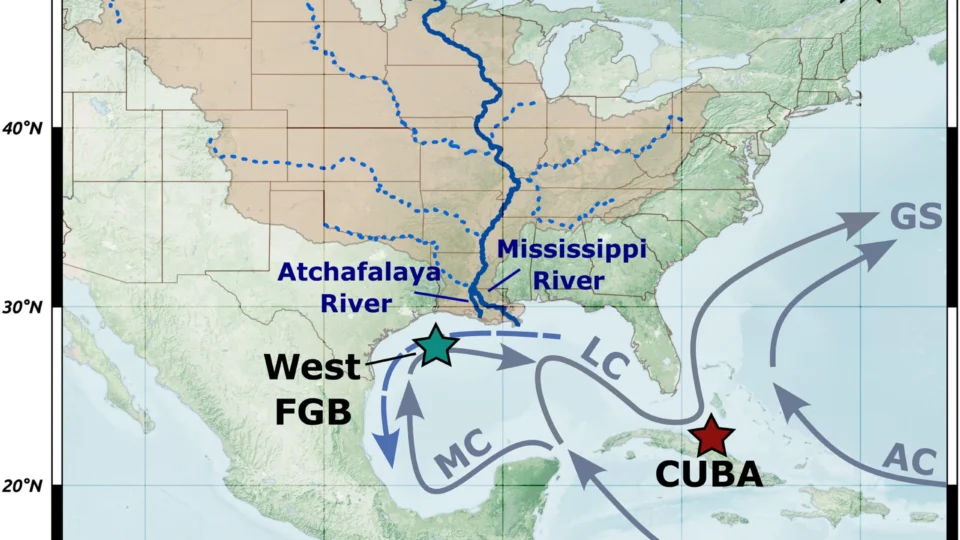
Researchers reveal that nitrogen pollution from Mississippi River fertilizers and rising sea temperatures are driving coral bleaching and disease in the Gulf's Flower Garden…
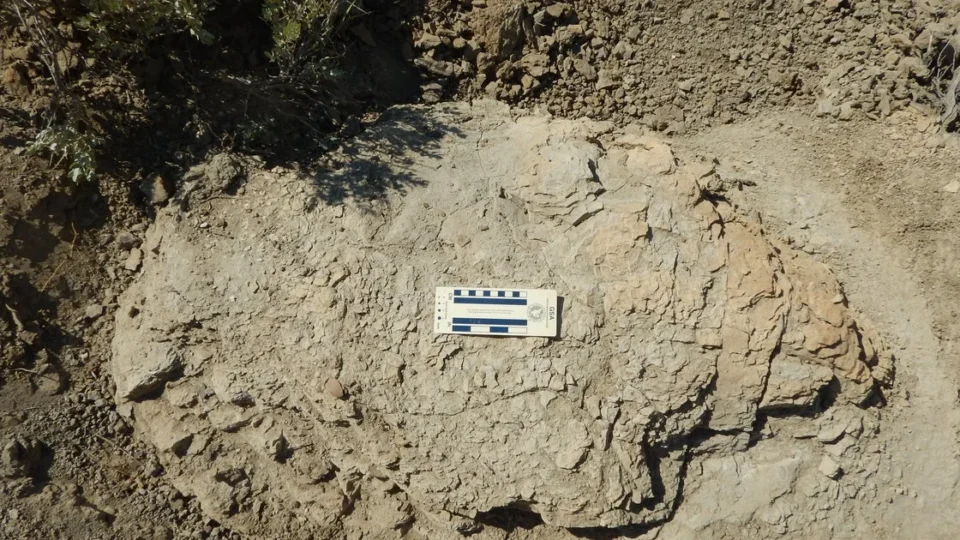
Paleontologists have uncovered the first known trackway of an adult Tyrannosaurus rex in North Dakota, revealing insights into its movement around 66.5 million years…

A survey of hundreds of astrobiologists shows cautious expert responses to recent claims of potential biosignatures on exoplanet K2-18b and Mars rock Cheyava Falls